 Ethel Cook
 The modern diner has changed. Not long ago, requests for “gluten-free” or “vegan” options were rare, often seen as an inconvenience for a busy kitchen. Today, these are not fringe requests but a mainstream market force. Ignoring dietary trends is no longer a neutral choice; it’s a decision to exclude a significant and growing customer base. Adapting your menu is not just about avoiding the “veto vote”—where one person’s dietary needs disqualify your restaurant for an entire group. It’s about proactively positioning your establishment as a destination for conscious, modern diners, turning a potential challenge into a powerful competitive advantage.
This guide moves beyond simple substitutions. It offers a strategic framework for thoughtfully integrating dietary accommodations into the very fabric of your culinary and operational identity. By doing so, you can attract new demographics, build profound customer loyalty, and enhance your brand’s reputation as a forward-thinking, inclusive establishment. It’s a shift from reactive accommodation to proactive, profitable attraction.
The Foundations of a Flexible and Safe Kitchen
Before a single new ingredient is ordered, the real work begins in your kitchen’s processes and with your team’s education. True dietary accommodation is built on a foundation of trust, and trust is built on consistency and safety, especially concerning allergens. The first step is to recognize the critical difference between a lifestyle choice (like veganism) and a medical necessity (like celiac disease).
The most significant operational hurdle is preventing cross-contamination. For gluten-free cooking, this is non-negotiable. Shared fryers, cutting boards, toasters, and even airborne flour can contaminate a dish, with serious health consequences for a celiac guest. The solution requires dedicated protocols. This could mean investing in a separate gluten-free fryer, using designated purple-colored utensils and cutting boards, and establishing a specific, sanitized prep area for allergen-free orders.
Equally important is staff training. This cannot be a one-time memo. Your entire team, from the executive chef to the host, must be fluent in your dietary offerings. Chefs and line cooks need to understand the protocols implicitly. Servers must be able to answer guest questions confidently, explaining not just what is in a dish, but how it is prepared. They are your frontline ambassadors of trust. When a server can confidently say, “Our chefs prepare all gluten-free dishes in a separate area with dedicated utensils,” they are not just conveying information; they are selling safety and peace of mind, which is invaluable.
Smart Menu Engineering for a Diverse Palate
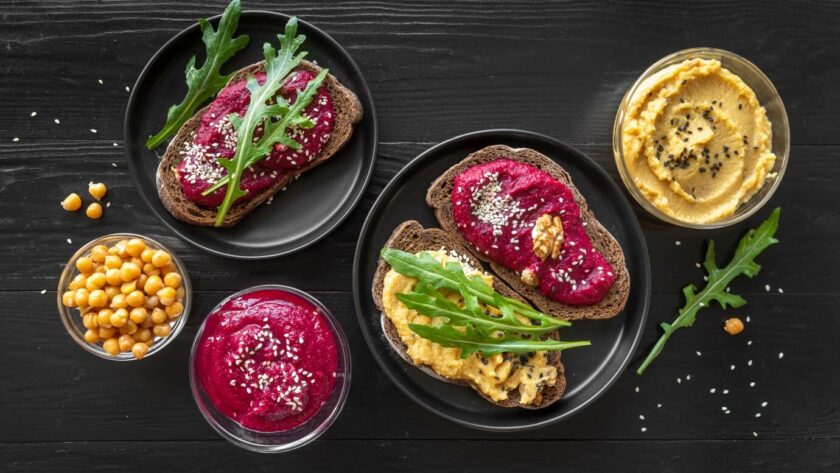
With a solid operational foundation, you can turn your attention to the creative heart of the matter: the menu itself. The goal is not to create a separate, limited “special diet” menu that makes guests feel like an afterthought. The goal is to weave these options seamlessly into your core offerings, creating dishes so delicious that they appeal to everyone, regardless of their dietary needs. This requires a shift in culinary philosophy from subtraction to addition. Instead of just removing cheese from a dish, you should be asking, “What delicious, dairy-free element can we add to enhance it?” This could be a cashew-based cream, a sprinkle of nutritional yeast for a cheesy flavor, or a vibrant avocado crema.
True innovation comes from designing dishes that are inherently flexible. Think about creating a “buildable” base that is naturally vegan and gluten-free—like a bed of quinoa, a creamy polenta, or a rich root vegetable puree—and then offering various protein and topping choices, from grilled steak to marinated tofu to pan-seared scallops. This approach streamlines kitchen operations while maximizing guest choice.
Here are some actionable strategies for intelligent menu design:
- Focus on Flavorful, Intentional Swaps: Don’t just replace butter with oil. Explore the rich flavors of high-quality olive oil, coconut oil, or other plant-based fats. Use aquafaba (the liquid from canned chickpeas) to create incredible vegan meringues and mousses. Press and marinate tofu or tempeh to transform them into deeply savory, satisfying proteins.
- Leverage Naturally Compliant Ingredients: Many cuisines are rich with dishes that are already free of common allergens. Explore the possibilities of rice noodles in Southeast Asian cooking, the corn-based dishes of Latin America, or the lentil and chickpea-centric stews of India. Highlighting these “accidentally vegan” or “naturally gluten-free” dishes is an authentic way to broaden your menu.
- Clear and Simple Menu Communication: Use clear, universally understood icons on your menu to denote vegan (V), gluten-free (GF), and other options. This empowers guests to make choices independently and reduces the burden on your serving staff. A short note at the bottom of the menu inviting guests to speak with their server about any dietary needs can further build a welcoming atmosphere.
- Create “Showstopper” Dishes: Design at least one vegan and one gluten-free dish that are true standouts on your menu—not just accommodations, but signature items you are proud of. A stunning roasted cauliflower steak with a complex romesco sauce or a decadent flourless chocolate torte can become famous in its own right, drawing customers to your restaurant specifically to try it.
Ultimately, adapting your menu for modern dietary trends is a holistic process that touches every corner of your business, from supply chain to frontline service. It’s a profound investment not only in your kitchen’s capabilities and your staff’s knowledge, but in the long-term resilience and reputation of your brand’s future. By embracing this change with strategy and creativity, you do more than just feed people; you create a welcoming space where every guest feels seen, valued, and excited to dine. This fosters powerful, authentic word-of-mouth marketing and builds a loyal community of advocates, ensuring your establishment doesn’t just survive, but truly thrives.